Conclusions Surgical success was equally good in constant and intermittent exotropia, but better longterm stability was observed following surgery for constant exotropiaConvergence insufficiencytype intermittent exotropia a retrospective study Meiyu Ren, Qi Wang and Lihua Wang* (range, 6 to 37months), the surgical success rate was 706% (24/34), the undercorrection rate was Intermittent exotropia, Convergence insufficiency, Surgery Recurrence rate was 653% (n = 51), and the surgical success rate calculated as the rate of stable group and clinical success group was 73% Despite a high recurrence rate, surgery for intermittent exotropia showed a high clinical success rate and good longterm efficacy and safety in both deviation angle and sensory function
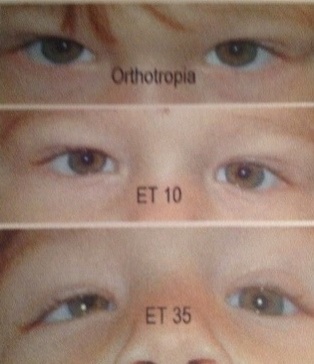
Principles Of Strabismus Surgery For Common Horizontal And Vertical Strabismus Types Intechopen
Exotropia surgery success rate
Exotropia surgery success rate-Many researchers2,5have reported that surgery for intermittent exotropia is easy and attain satisfying results for surgeons and patients during the early postoperative period, but the surgical success rate decrease with time after the progress of an exotropic drift After the surgical treatment the postoperative course in intermittent exotropia In the other aforementioned clinical trial, however, I found that 23 patients with basic exotropia who underwent symmetric lateral rectus recessions for the largest deviation measured (eg, after prolonged occlusion or while looking out a window) had a 74% success rate 17 Although this is a poorer outcome than that obtained in my study with recess/resect surgery for basic
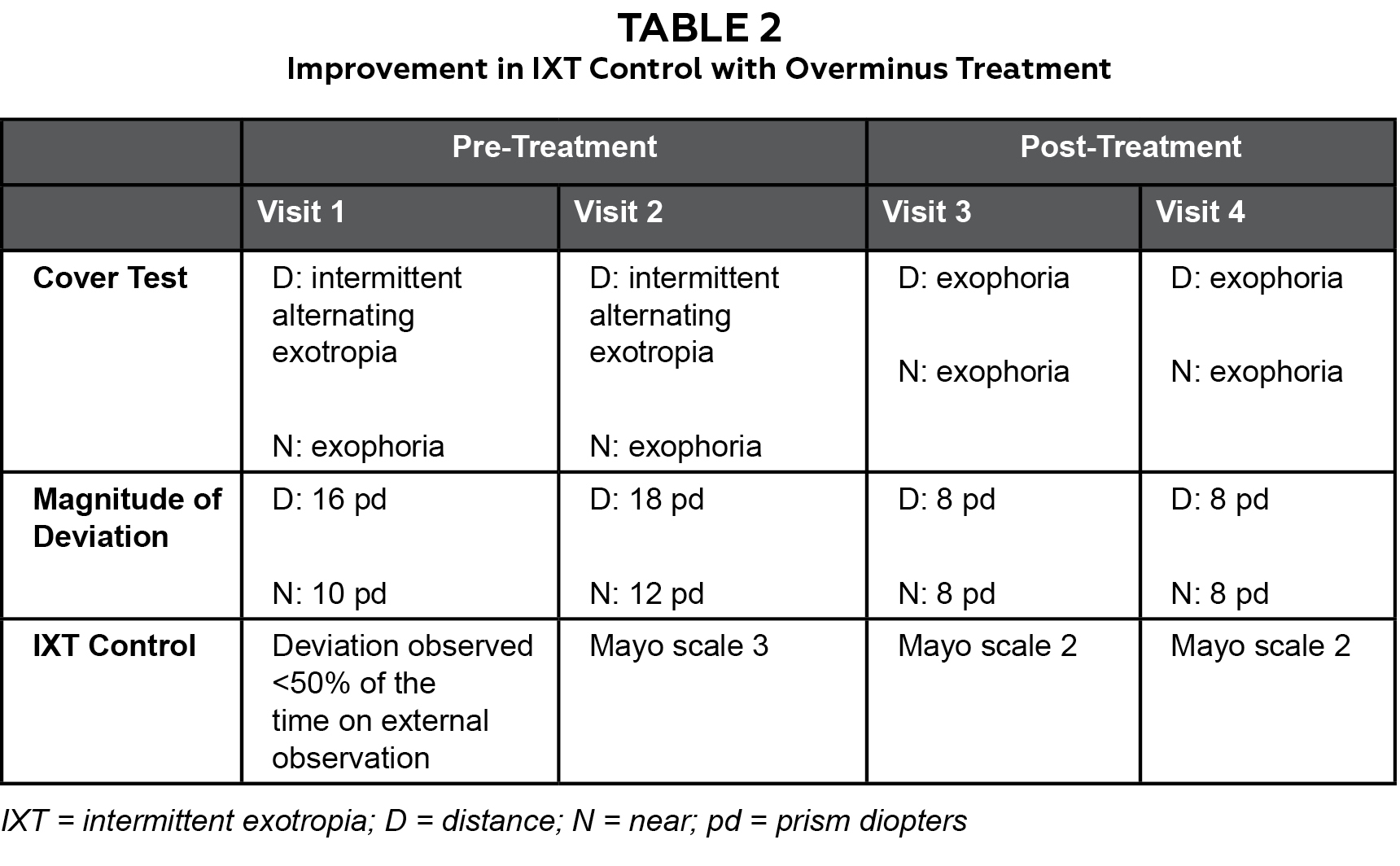


Management Of Intermittent Exotropia Of The Divergence Excess Type A Teaching Case Report The Journal Of Optometric Education
Rectus recession and medial rectus resection surgery, the success rate was 8514% while success rate in case of bilateral lateral rectus recession was 6521% (p=0001) Conclusion Unilateral lateral rectus recession and medial rectus resection for surgical correction of exotropia had better In a multicenter, randomized clinical trial comparing these 2 surgical approaches in children aged 3 to 10 years with intermittent exotropia, no difference in surgical success was identified, 63% versus 54% in the recess/resect group 25 Similar results have been reported in younger children 26 A retrospective study found that recess/resect had slightly betterChoi et al proposed that initial overcorrection after intermittent exotropia surgery might be associated with lower probability of recurrence within 2 years after surgery Astudillo et al and Mireskandari et al proposed that exotropic patients with immediate postoperative target range of 0–8 PD of esotropia had significantly higher success rate than those outside it
Their success rate was 100% in esotropia patients and slightly less in the exotropia group (84 and % at near and distance, respectively) 23 These results were different from Deacon et al who detected significant and persistent lateral incomitance in their case series study with greater effect in gaze towards the operated eye and 3 of their patients had gaze diplopia toward the operated After a single operating time, the motor success rate was of 7% with 24 orthophoric patients Three of our patients were successfully reoperated two for recurrent exotropia and one for consecutive esotropia thus, the overall success rate Success rate defined as deviation between exotropia/phoria of 8 PD to esotropia/phoria of 4 PD Secondary Outcome Measures Change in stereoacuity
Recent studies have also reported variable success rates in all types of intermittent exotropia, around 40 to 70% Kushner compared the surgical results for different degrees of intermittent exotropia, surgical procedure, amount of surgical dosage and drew the following conclusions It has been reported that the most important factor determining surgical outcomes based on alignment is the duration of followup, with half the surgeries failing after 5 years which increases to 76% at 10 years and 86% failing after 15 years A total of %–60% patients require a second surgery at mean followup of 10 years, most of them for a recurrence of Success rate, defined as deviation of ≤ 10 PD, was achieved in 862% There were 2 (34%) cases of overcorrection (consecutive esotropia) There were no intra or postoperative complications The mean followup duration after surgery was 23 ± 17 years In children with moderate angle exotropia, good postoperative success rate was achieved
Management Of Intermittent Exotropia Of The Divergence Excess Type A Teaching Case Report The Journal Of Optometric Education

Improvement In Health Related Quality Of Life Following Strabismus Surgery For Children With Intermittent Exotropia Journal Of American Association For Pediatric Ophthalmology And Strabismus Jaapos
Intermittent exotropia turns on the type of exotropia exodeviation angle The success rates of surgical interventions, as reported in a number of different studies, vary widely 42%–63% after bilateral lateral rectus recession (BLR) and 27%–% INTRODUCTION Intermittent exotropia (IXT) is a common form of childhood exotropia, which accounts for ~50%90% of all exotropia cases and affects ~1% of the general population –It is characterized by the intermittent outward deviation of either eye that, if untreated, can gradually become constant in about onethird of the casesThe age of onset for Until postoperative 1 year, the surgical success rates did not differ by exotropia type At the final examination though, the surgical success rates were 463, 702, and 286% in basic, pseudoDE, and true DE, respectively, which results served to highlight the better outcome for the pseudoDE type relative to the others (P = 0003, 001, Table 5)
Sizing Up Strabismus

Long Term Outcomes Following Resection Recession Versus Plication Recession In Children With Intermittent Exotropia British Journal Of Ophthalmology
Methods We performed a retrospective review of patients with intermittent exotropia who underwent uniocular recessionresection surgery Success was defined as ocular deviation ≤10 Δ exotropia and ≤5 Δ esotropia at distance at last followup (at least 3 months' postoperatively) Preoperative factors such as age at surgery, sex, visual acuity, sphericalSuccessful outcome at 2 years after surgery for intermittent exotropia Methods A retrospective study was performed in 216 patients who had undergone intermittent exotropia surgery and had had at least 2 years of followup Surgical outcomes were grouped, according to To evaluate the longterm surgical success rate (>3 years) and contributing success factors considering motor and sensory criteria for patients with intermittent exotropia Methods Fiftyfour patients who received surgery for intermittent exotropia and were followedup for a minimum of 3 years, including reoperation, were retrospectively evaluated
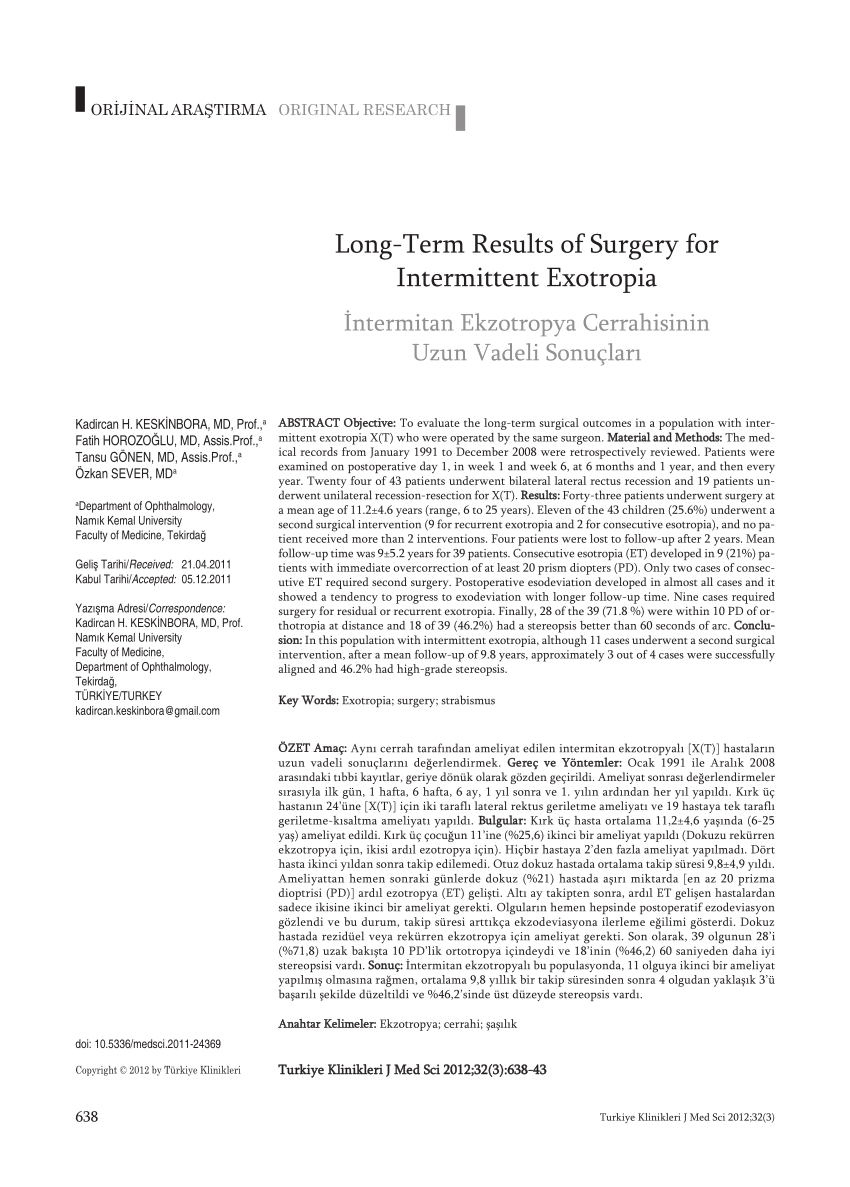
Pdf Long Term Results Of Surgery For Intermittent Exotropia
2
Intermittent Right Exotropia surgery What is the success rate?Surgical success at early ocular alignment and at 6 months 733% and 766% respectively At 6 months success outcome in BLR was 818% & that in R/R was 736% Conclusion Early postoperative ocular alignment of intermittent exotropia at day 1 can be a determinant of orthophoria at 6 months Orthophoric or slight overcorrection gives betterThe success rate of IXT is dependent on the length of postoperative followup Longer the followup higher the incidence of recurrence In recent studies, the reported success rate in all types of IXT has been about 60–70%44 45 46 47
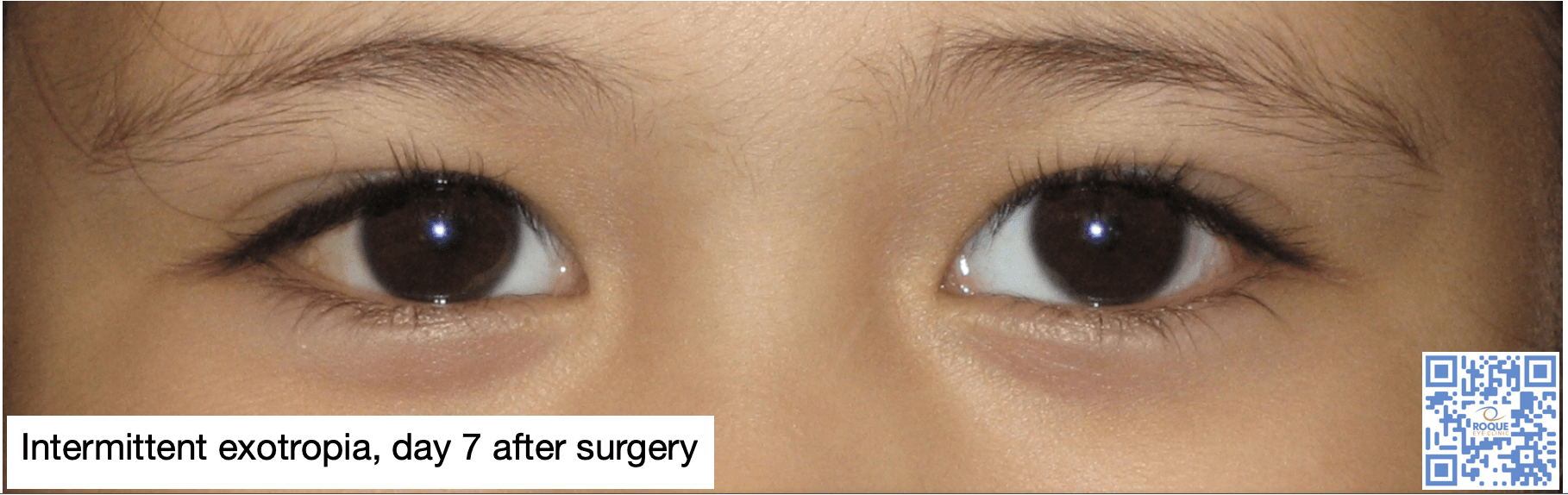
Intermittent Exotropia Roque Eye Clinic Eye Com Ph

Outcomes Of Surgical Correction Of Exotropia In Children Between 4 To 12 Years Of Age Sathyan S Kerala J Ophthalmol
However, the success rate of ULR has been shown to vary widely, from 56 to 92% 4, 5, 7, 9 Previously, we reported an overall rate of longterm successful alignment of ULR for intermittent exotropia of 15–24 PD; In a comparative study using both Optometric and Ophthalmological journals, vision therapy had an overall success rate of 78 percent, when compared to surgery that held a success rate of 48 percent Vision therapy is also effective in improving the developments of the neural pathways and the eyebrain connection, both before and after surgery Hardesty et al 28 in a review of the longterm results of 100 surgicallytreated intermittent exotropia cases (mean followup 61 years), reported a 50% success in patients treated with surgery and orthoptic treatments and a 32% success with surgery alone Higher success rates of surgery with vision/occlusion therapy over surgery alone were
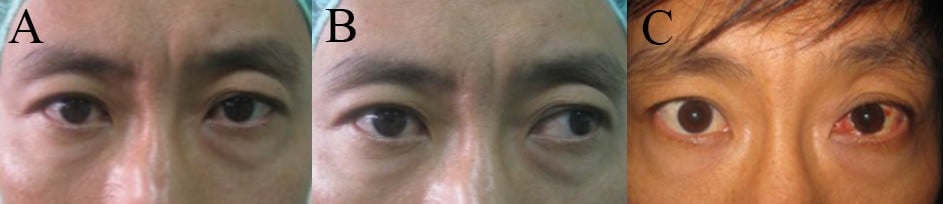
Outcomes Of Undercorrection In Surgical Management And Binocular Visio Opth

Comparison Of Bilateral Unilateral Lateral Rectus Recession And Unilateral Recession Resection For Intermittent Exotropia A Meta Analysis
The angle of exotropia (PD) before and after surgery and the success rate were documented Results Mean age at surgery was 64 ± 19 (range ) years Exotropia improved from a preoperative angle of 214 ± 40 PD to 35 ± 59 PD postoperatively (p < 0001) Success rate, defined as deviation of ≤ 10 PD, was achieved in 862%Intermittent exotropia in children toward a more successful surgical outcome on long term followup April 16 Conference American association of pediatric ophtahlmology andCompared the results of twomuscle surgery on 25 patients with intermittent exotropia of 60–70 PD with the results of threemuscle surgery done on 15 patients with intermittent exotropia of >70 PD The overall success rate was reported as 775%, and there were no statistically significant differences in success rates between the two and
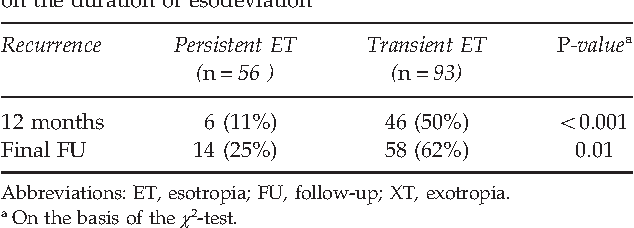
Pdf Results Of Conservative Management For Consecutive Esotropia After Intermittent Exotropia Surgery Semantic Scholar

Surgical Outcome Of Intermittent Exotropia Semantic Scholar
This study was conducted to identify the relationship between control grade, stereoacuity and surgical success in basic intermittent exotropia Methods This retrospective study involved 44 basic intermittent exotropia patients who underwent strabismus surgery and completed at least 6 months of followupHowever, intermittent exotropia of –24 PD revealed a worse prognosis than that of 15–19 PD In the current trial, the success rate of IRR after 1 year was 434%, 50%, and 5909% at distant, near, and in collapse of NDD, respectively, with very low rate of postoperative overcorrection
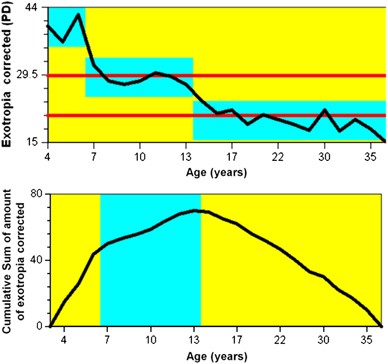
Intermittent Exotropia Relation Between Age And Surgical Outcome A Change Point Analysis Eye
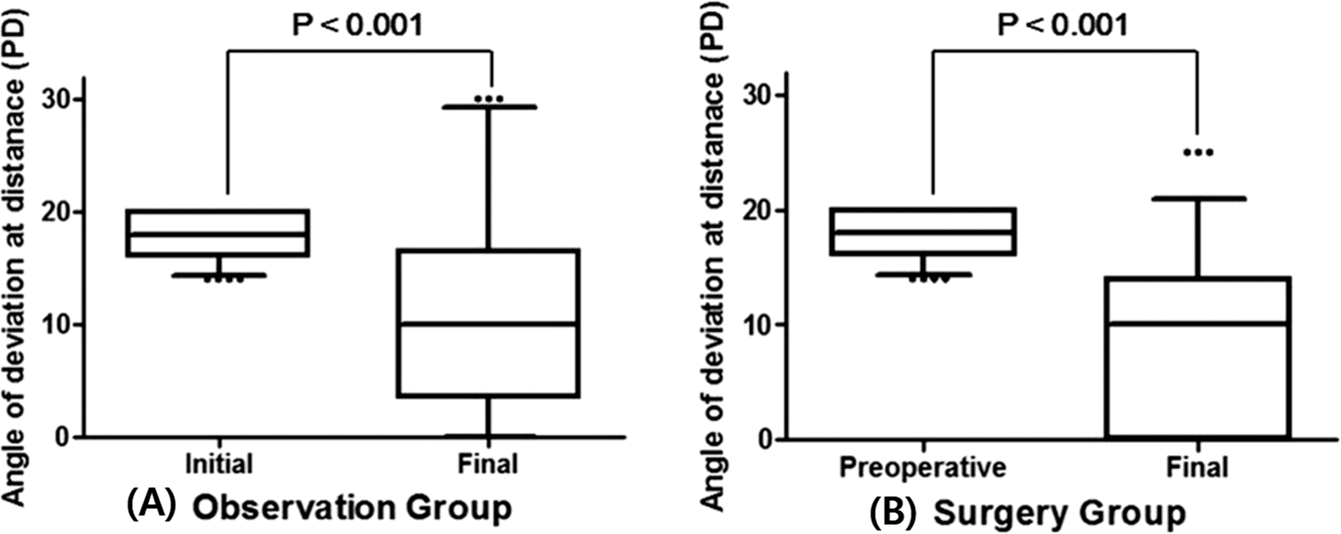
Comparison Of Surgery Versus Observation For Small Angle Intermittent Exotropia Scientific Reports
Although overcorrection for intermittent exotropia is widely accepted as the optimal postoperative day 1 outcome, there is some evidence to suggest initial postoperative alignment is not a good indicator of longterm success7, 11 In this study, the success rate ranged from 431% to 60% in the longterm follow up period and there was no statistically significant difference in success rates Intermittent exotropia (IXT) is a common form of childhood exotropia, which accounts for ∼50%90% of all exotropia cases and affects ∼1% of the general population – It is characterized by the intermittent outward deviation of either eye that, if untreated, can gradually become constant in about onethird of the cases 4Of intermittent exotropia Asadi et al evaluated the effect of a cocktail of orthoptic interventions including prism exercises, pencil pushups, 3D tests and dominant eye occlusion on intermittent exotropia in 74 patients and reported a success rate of 8% of patients in basic type, all patients in Convergence insufficiency type and 8% in

Clinical Characteristics Of Patients That Experience Different Rates Of Exodrift After Strabismus Surgery For Intermittent Exotropia And The Effect Of The Rate Of Exodrift On Final Ocular Alignment Journal Of American

Consecutive Esotropia Following Surgery For Intermittent Exotropia Journal Of Pediatric Ophthalmology Strabismus
In a comparative study using both optometric and ophthalmological journals, vision therapy had an overall success rate of 78 percent, as compared to surgery which held a success rate of 48 percent Surgery should be used as a last resort, only when the eye turn is significant, as in cases of large angle intermittent exotropia, and only after inoffice vision therapy not been In particular, the success rate for surgical intervention in X (T) is highly variable, ranging from 33 to % 5, 6, 7, 8, 9, 10 Furthermore, aI'm currently 19 and Have / vision in both eyes 0 comments share save hide report 100% Upvoted Log in or sign up to leave a comment Log In Sign Up Sort by best

Prognostic Factors For Recurrence With Unilateral Recess Resect Procedure In Patients With Intermittent Exotropia Eye

Previous Reports Of Surgical Success Rates Of Intermittent Exotropia Download Scientific Diagram
Age at surgery The postoperative evaluation was approx ≥1 year postsurgery in patients agedSurgery for intermittent exotropia at younger ages may develop better postoperative binocular vision 10 However, in more than 50% of patients who experience exotropia, deviation increases 10 or more diopters within few years from diagnosis, which means that half of patients with intermittent exotropia, shall undergo surgical treatment 11 The success rate of intermittent exotropia is dependent on the length of followup Longer the follow up higher the incidence of undercorrections Shortterm studies with 6 months to 1year followup reports a success rates of approximately 80%, whereas studies with 25 year followup have shown a 5060% success rate with one surgery

Management Of Intermittent Exotropia Of The Divergence Excess Type A Teaching Case Report The Journal Of Optometric Education

Your Stories Measure Twice Cut Once For Little Eyes
New Research Sheds Light on Intermittent Exotropia Surgical correction of intermittent exotropia is a breadandbutter procedure for many pediatric ophthalmologists But a recent study in the British Journal of Ophthalmology ( BJO) 1 and an accompanying editorial 2 call into question the notion that intermittent exotropia is straightforward or The exophoria may deteriorate over time into intermittent exotropia then constant exotropia, as the brain learns to suppress the image from the deviated eye Suppression is the reason why affected children do not complain of seeing double Its presence, however, lowers the success rate of surgeryThe average success rate was 585% Univariate binomial regression revealed that patients with smaller angle of deviation at near (OR = 096, P = 0013) or distance (OR = 096, P = 0005), larger myopic refractive errors in terms of mean spherical equivalent (OR = 071, P = 0022) and spherical equivalent in the more myopic eye (OR = 075, P = 0029) contributed to success

Postoperative Outcomes In Children With Intermittent Exotropia From A Population Based Cohort Journal Of American Association For Pediatric Ophthalmology And Strabismus Jaapos

Previous Reports Of Surgical Success Rates Of Intermittent Exotropia Download Scientific Diagram
430 Intermittent exotropia comparative surgical results of lateral rectirecession and monocular recessresect procedures Valenzuelaperformed the monocular recessresect procedure in 47 patients obtaining a 55% success rate and recession of the lateral recti in 78 patients, obtaining 54% success rate, after a 2 year follow up (8) Of the 216 children who had undergone surgery for intermittent exotropia, 128 (59%) were assigned to the success group at postoperative 2 years, and 84 (39%) were assigned to the recurrence group Four patients (2%) who were overcorrected were excluded from this study to compare the success and recurrence group and analyse factors with surgical outcome at At a mean followup of 150 months (range, 6 to 37 months), the surgical success rate was 706% (24/34), the undercorrection rate was 176% (6/34), and the overcorrection rate was 118% (4/34) The mean neardistance deviation difference was significantly reduced from 1112 ± 6 PD (range, 10 to 15 PD) preoperatively to 247 ± 304 PD (range, 0 to 10 PD)

Pdf The Stabilization Of Postoperative Exo Drift In Intermittent Exotropia After Surgical Treatment Semantic Scholar
Ijo Cn

Management Of Strabismus In Myopes Kekunnaya R Chandrasekharan A Sachdeva V Middle East Afr J Ophthalmol
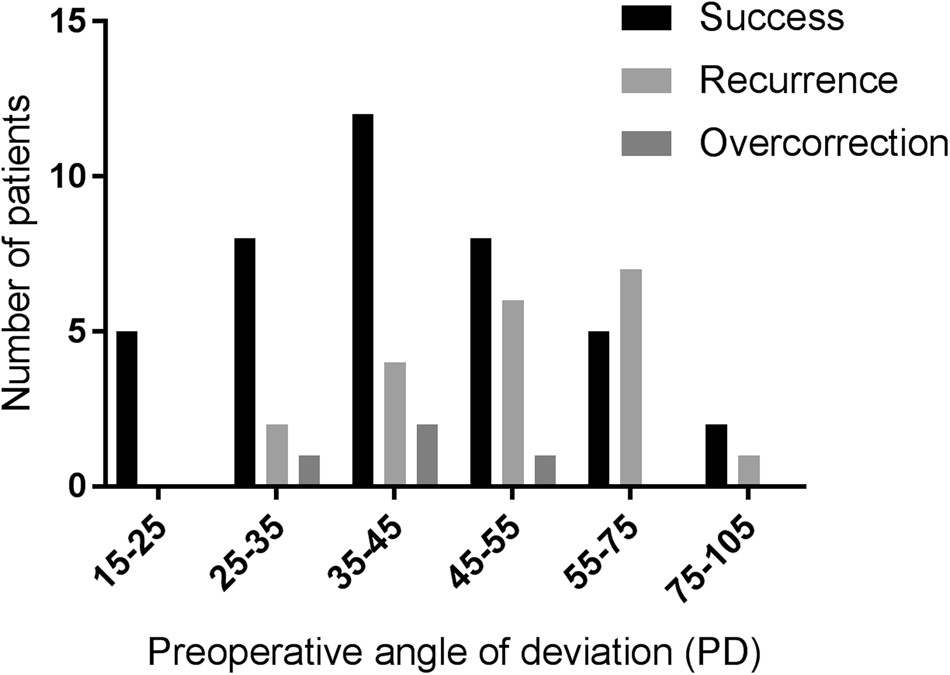
Surgical Results And Factors Affecting Outcome In Adult Patients With Sensory Exotropia Eye
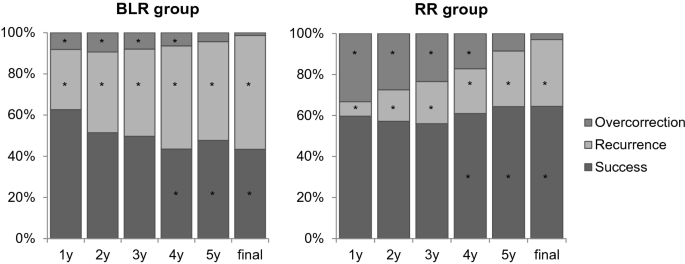
Long Term Surgical Outcomes Of Unilateral Recession Resection Versus Bilateral Lateral Rectus Recession In Basic Type Intermittent Exotropia In Children Scientific Reports
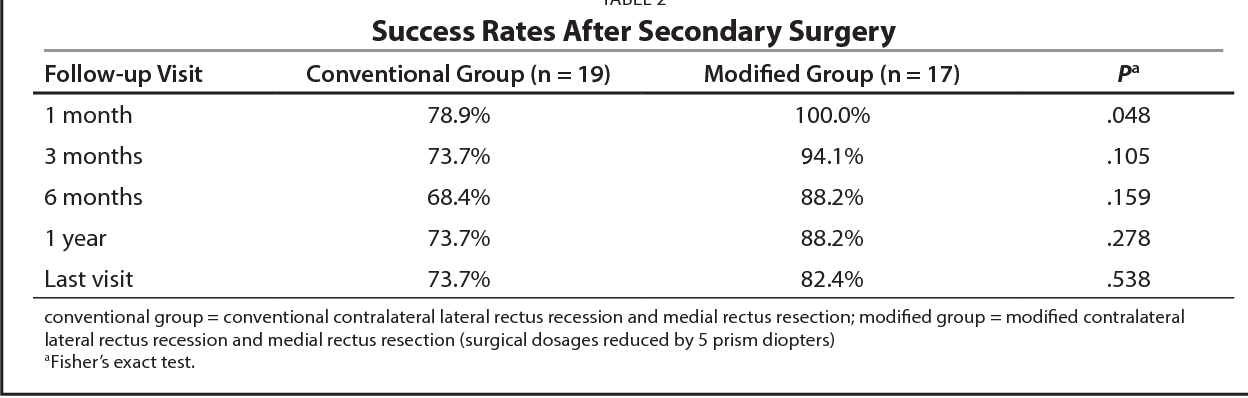
Reduction Of Consecutive Esotropia Using Modified Contralateral Recession And Resection For Recurrent Intermittent Exotropia Semantic Scholar

Outcomes Of Undercorrection In Surgical Management And Binocular Visio Opth

Factors Affecting Surgical Outcome Of Intermittent Exotropia Lee Cm Sun Mh Kao Ly Lin Kk Yang Ml Taiwan J Ophthalmol

The Success Of Unilateral Surgery For Constant And Intermittent Exotropia And Factors Affecting It In A Large Scandinavian Case Series Journal Of Pediatric Ophthalmology Strabismus

Consecutive Esotropia In Intermittent Exotropia Patients With

Clinical Research Current Issue Achieve Search Articles Online Submission About Ijo Pmc Citation Tibrewal S Singh N Bhuiyan Mi Ganesh S Factors Affecting Residual Exotropia After Two Muscle Surgery For Intermittent Exotropia Int J Ophthalmol
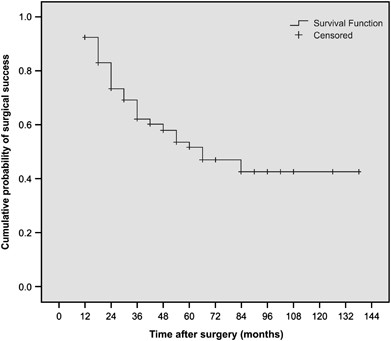
Prognostic Factors For Recurrence After Bilateral Rectus Recession Procedure In Patients With Intermittent Exotropia Eye

Surgical Dosage For Intermittent Exotropia As Per Authors Experience Download Scientific Diagram
Plos One Long Term Outcomes Of Augmented Unilateral Recess Resect Procedure In Children With Intermittent Exotropia

Determinents Of Ocular Alignment At 6 Month After Intermittent Exotropia Surgery Ijceo
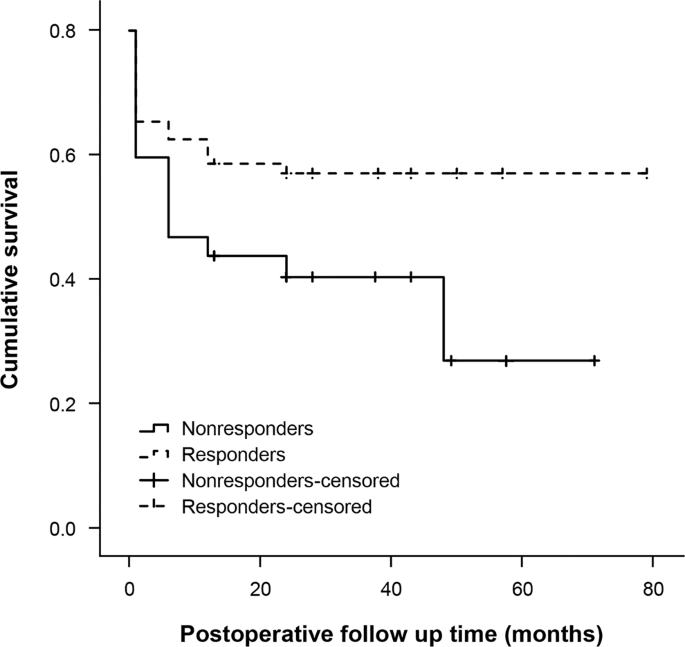
Surgical Outcomes Of Patients With Diagnostic Preoperative Monocular Occlusion In Intermittent Exotropia Scientific Reports
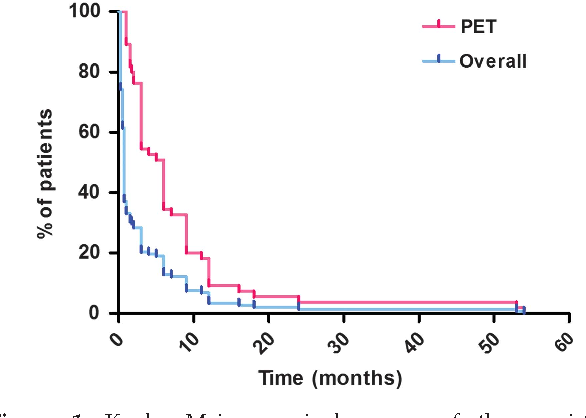
Pdf Results Of Conservative Management For Consecutive Esotropia After Intermittent Exotropia Surgery Semantic Scholar

Medial Rectus Plication Versus Resection In Adults With Exotropia Gaballah Ka J Egypt Ophthalmol Soc

Management Of Intermittent Exotropia Of The Divergence Excess Type A Teaching Case Report The Journal Of Optometric Education

How To Take On Strabismus In Adults

The Success Of Unilateral Surgery For Constant And Intermittent Exotropia And Factors Affecting It In A Large Scandinavian Case Series Journal Of Pediatric Ophthalmology Strabismus

Jaypeedigital Ebook Reader

Exotropia Eyes Turn Outward Causes Symptoms Treatment Vision Center

Management Of Strabismus In Myopes Kekunnaya R Chandrasekharan A Sachdeva V Middle East Afr J Ophthalmol

Jkms Journal Of Korean Medical Science

Exotropia In Cromwell Ct 4d Vision Gym

Surgical Success Rate For Intermittent Exotropia The Visionhelp Blog

Comparison Of Bilateral Unilateral Lateral Rectus Recession And Unilateral Recession Resection For Intermittent Exotropia A Meta Analysis
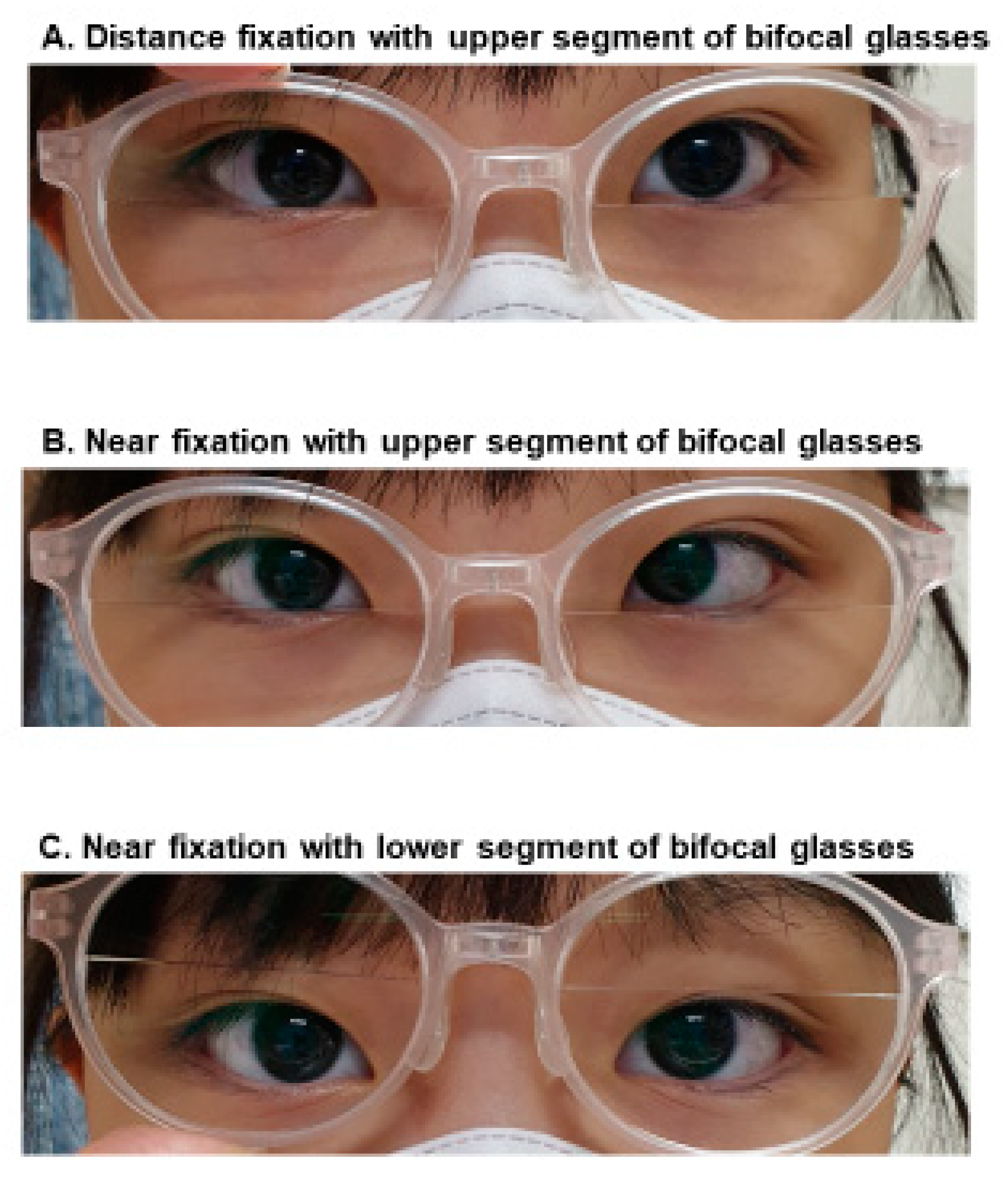
Jcm Free Full Text High Accommodative Convergence Accommodation Ratio Consecutive Esotropia Following Surgery For Intermittent Exotropia Clinical Feature Diagnosis And Treatment Html
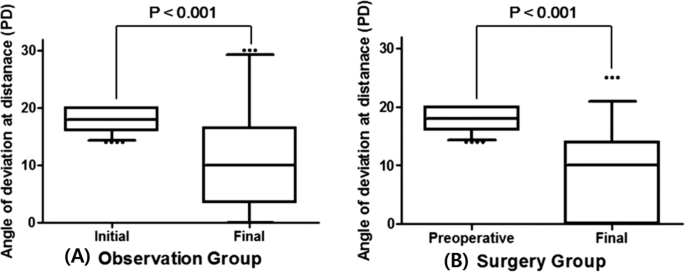
Comparison Of Surgery Versus Observation For Small Angle Intermittent Exotropia Scientific Reports
Surgical Outcome Of Unilateral Lateral Rectus Recession And Medial Rectus Resection In Large Angle Exotropia Document Gale Onefile Health And Medicine

Conservative Management Of Intermittent Exotropia To Defer Or Avoid Surgery The Visionhelp Blog
2

Initial Postoperative Deviation As A Predictor Of Long Term Outcome After Surgery For Intermittent Exotropia Journal Of American Association For Pediatric Ophthalmology And Strabismus Jaapos

Clinical Characteristics Of Patients That Experience Different Rates Of Exodrift After Strabismus Surgery For Intermittent Exotropia And The Effect Of The Rate Of Exodrift On Final Ocular Alignment Journal Of American

How To Take On Strabismus In Adults

Jkms Journal Of Korean Medical Science

Strabismus Surgery Wikipedia

Scielo Brasil Intermittent Exotropia Surgery Results In Different Age Groups Intermittent Exotropia Surgery Results In Different Age Groups

Comparision Of Success Rates For Surgical Correction Of Intermittent Download Table
2

Comparison Of Success Rates For Surgical Correction Of Intermittent Download Table

Surgical Outcomes Of Three Different Surgical Techniques For Treatment Of Convergence Insufficiency Intermittent Exotropia Eye
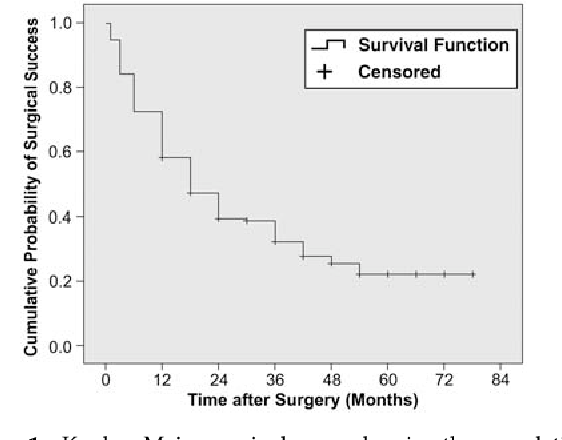
Pdf Prognostic Factors For Recurrence With Unilateral Recess Resect Procedure In Patients With Intermittent Exotropia Semantic Scholar

Recurrence Of Intermittent Exotropia After Bilateral Lateral Rectus Recession Al Haddad C Ismail K Houry R Al Sayyid S El Moussawi Z Middle East Afr J Ophthalmol
Early Surgery For Intermittent Exotropia Tracks With Better Outcomes American Academy Of Ophthalmology
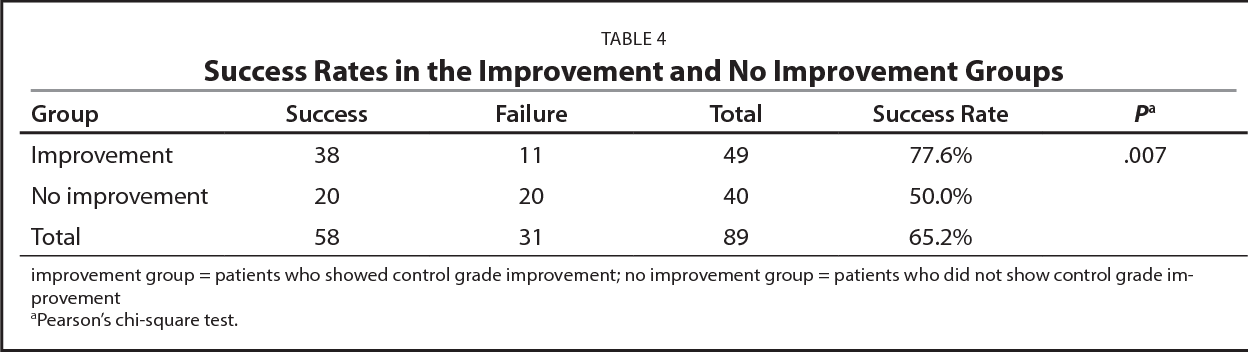
Surgical Outcome Of Intermittent Exotropia With Improvement In Control Grade Subsequent To Part Time Preoperative Occlusion Therapy Semantic Scholar

Principles Of Strabismus Surgery For Common Horizontal And Vertical Strabismus Types Intechopen
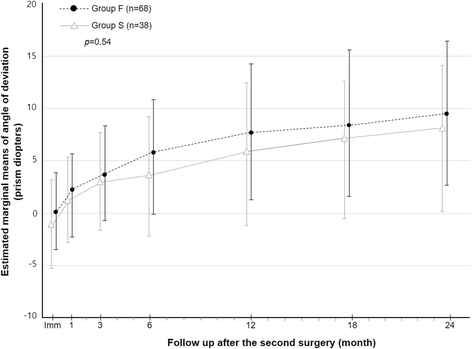
The Fast Exodrift After The First Surgical Treatment Of Exotropia And Its Correlation With Surgical Outcome Of Second Surgery Bmc Ophthalmology Full Text

Comparison Of Bilateral Unilateral Lateral Rectus Recession And Unilateral Recession Resection For Intermittent Exotropia A Meta Analysis

Outcomes Of Surgical Correction Of Exotropia In Children Between 4 To 12 Years Of Age Sathyan S Kerala J Ophthalmol

Pdf Selective Surgery For Intermittent Exotropia Based On Distance Near Differences Semantic Scholar

Top Pdf Intermittent Exotropia 1library

Surgical Success Rate For Intermittent Exotropia The Visionhelp Blog
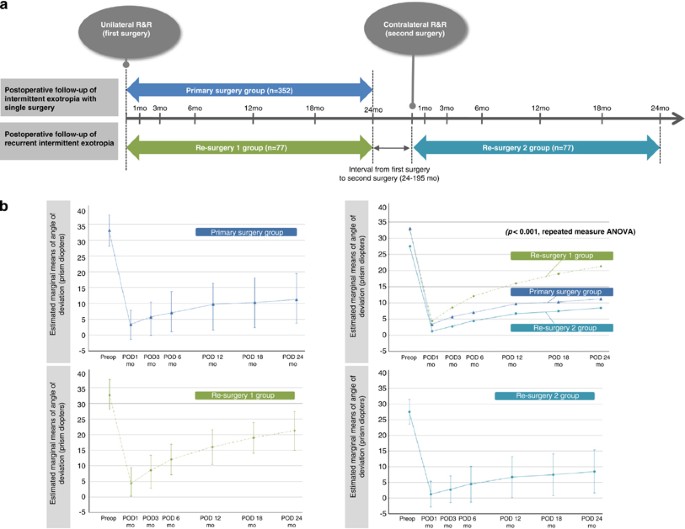
The Clinical Course Of Recurrent Intermittent Exotropia Following One Or Two Surgeries Over 24 Months Postoperatively Eye
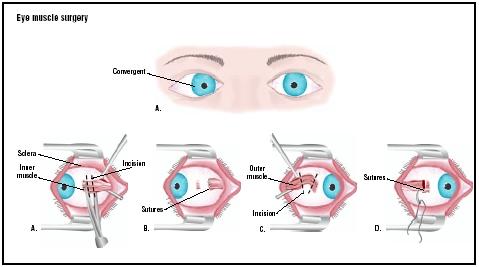
Eye Muscle Surgery Procedure Recovery Blood Pain Complications Adults Time Infection
Principles Of Strabismus Surgery For Common Horizontal And Vertical Strabismus Types Intechopen

Previous Reports Of Surgical Success Rates Of Intermittent Exotropia Download Scientific Diagram

Previous Reports Of Surgical Success Rates Of Intermittent Exotropia Download Scientific Diagram
Surgical Outcomes Of Unilateral Recession And Resection In Intermittent Exotropia According To Forced Duction Test Results
A Comparison Of Surgical Outcomes Between Pre And Full Term Patients With Exotropia

Strabismus Treatments Without Surgery With Exercises Vision Therapy

Surgical Outcomes Of Plication Versus Resection In Basic Type Of Intermittent Exotropia Canadian Journal Of Ophthalmology

Surgical Success Rate At Each Follow Up Examination After Surgery Download Scientific Diagram

Pdf Selective Surgery For Intermittent Exotropia Based On Distance Near Differences Semantic Scholar

Pdf Prognostic Factors For Recurrence After Bilateral Rectus Recession Procedure In Patients With Intermittent Exotropia

Augmented Surgical Amounts For Intermittent Exotropia To Prevent Recurrence Topic Of Research Paper In Clinical Medicine Download Scholarly Article Pdf And Read For Free On Cyberleninka Open Science Hub

Comparison Of Success Rates For Surgical Correction Of Intermittent Download Table
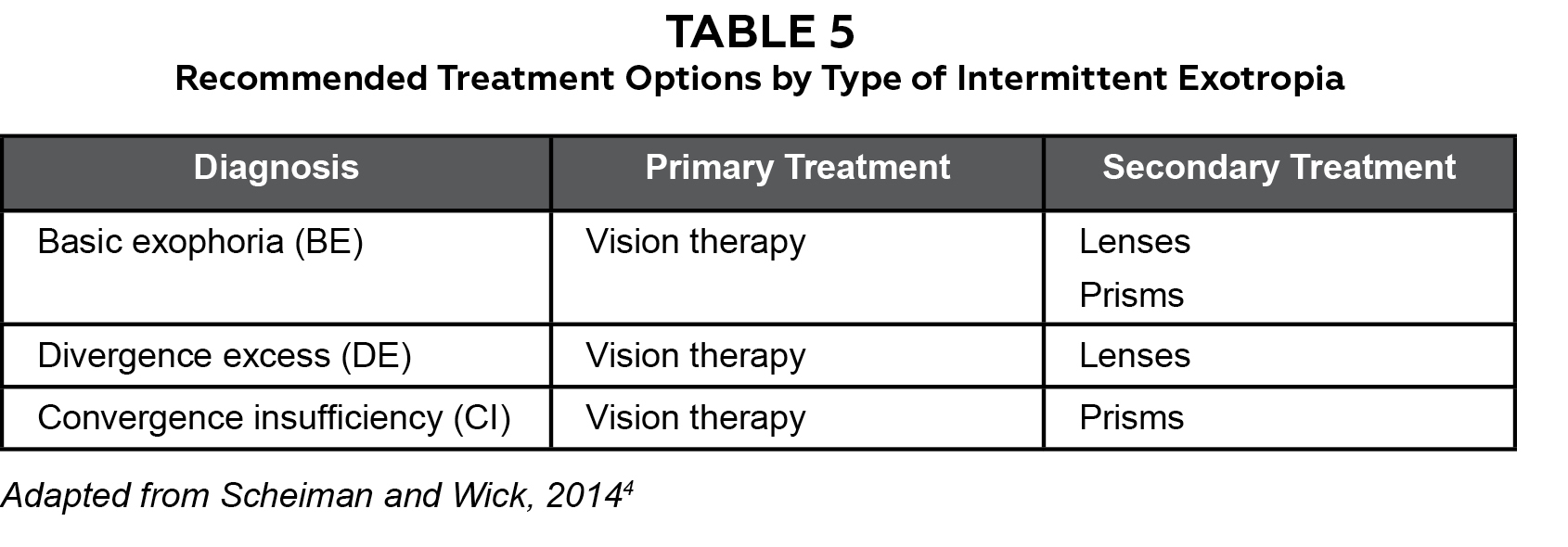
Management Of Intermittent Exotropia Of The Divergence Excess Type A Teaching Case Report The Journal Of Optometric Education

The Success Of Unilateral Surgery For Constant And Intermittent Exotropia And Factors Affecting It In A Large Scandinavian Case Series Journal Of Pediatric Ophthalmology Strabismus

Long Term Outcomes Following Resection Recession Versus Plication Recession In Children With Intermittent Exotropia British Journal Of Ophthalmology
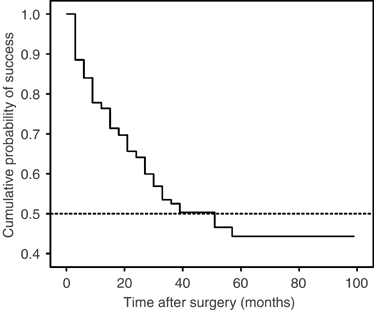
Survival Analysis Of 365 Patients With Exotropia After Surgery Eye

What Is Intermittent Strabismus Optometrists Org

Previous Reports Of Surgical Success Rates Of Intermittent Exotropia Download Scientific Diagram
Single Stage Surgical Outcomes For Large Angle Intermittent Exotropia
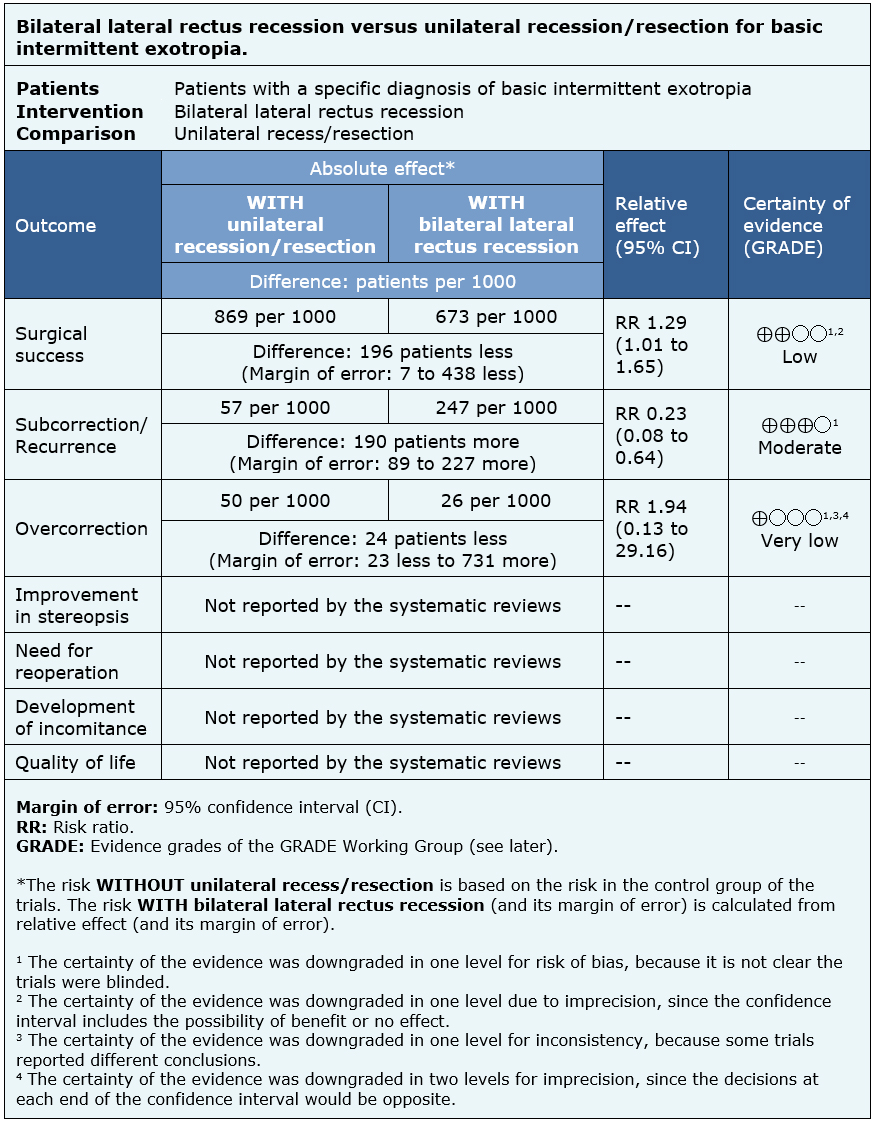
Bilateral Lateral Rectus Recession Versus Unilateral Recession Resection For Basic Intermittent Exotropia Medwave

Comparison Of Surgical Outcomes Between Bilateral Recession And Unilateral Recession Resection In Moderate Angle Intermittent Exotropia Journal Of American Association For Pediatric Ophthalmology And Strabismus Jaapos

Comparison Of Success Rates For Surgical Correction Of Intermittent Download Table


0 件のコメント:
コメントを投稿